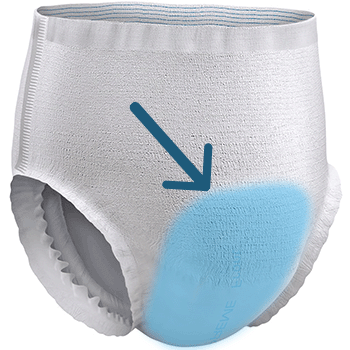
Heavy overnight wetting is a different problem from light or occasional wetting—and it requires different solutions. If your child is soaking through pull-ups, waking in a wet bed despite using the right size, or going through multiple changes a night, the standard product advice may not be sufficient. This guide covers the full range of products for heavy overnight wetting: what is available, how each option works, and when each makes sense.
## Why Heavy Wetting Needs a Different Approach
Most bedwetting products are designed for average or light-to-moderate wetting. Capacity is often secondary—absorbent core placement, leak barriers, and fit reflect that. For children who produce large volumes of urine overnight (common in deep sleepers, children with ADH deficiency, or neurological differences), standard pull-ups may not hold enough.
This is not a product failure but an issue of volume capacity. Understanding this helps narrow down options. For more on why leaks happen even with correct product use, see [Why Overnight Pull-Ups Leak](https://www.sleepsecurenights.com/why-overnight-pull-ups-leak-the-design-problem-that-has-never-been-properly-solved/), which explains structural issues in detail.
## The Full Product Spectrum: From Light Protection to Maximum Containment
### 1. Bed Protection (Mattress and Bedding Layers)
While not standalone solutions for heavy wetting, bed protection is essential. Waterproof mattress protectors and bed pads (sometimes called Kylie pads or bed mats) create backup layers that limit laundry and mattress damage when leaks occur.
**Key points:**
– Fitted waterproof mattress protectors protect the mattress and are advisable even with good containment.
– Disposable or washable bed pads on top of sheets allow quick changes at night.
– Duvet and pillow protectors are useful if your child moves during sleep.
Bed protection reduces disruption and laundry but does not physically reduce wetting sensation. For long-term management, it is often indispensable.
### 2. DryNites / Goodnites (Standard Bedwetting Pull-Ups)
DryNites are widely available and designed for children aged 4–7 up to 8–15 years, suitable for moderate wetting. They are often the first choice for families new to using products overnight.
However, for heavy wetting, they may not provide enough capacity, especially depending on sleep position and anatomy. See [Why the Absorbent Core Is Often in the Wrong Place](https://www.sleepsecurenights.com/why-the-absorbent-core-in-bedwetting-pull-ups-is-often-in-the-wrong-place/) for details.
### 3. Higher-Capacity Pull-Ups
Products between standard pull-ups and taped briefs include:
– [iD Pants / Tena Pants](https://www.sleepsecurenights.com/tena-washable-bed-sheet-review-and-comparison/)
– Lille Healthcare SupremFit Pants
– [Abena Pants](https://www.sleepsecurenights.com/abena-abri-let-anatomical-shaped-booster-reviewed/)
– [MoliCare Mobile](https://www.sleepsecurenights.com/molicare-pad-mini-booster-review/)
These are often adult-designed but used for older children and teens. Fit may vary, so testing is recommended. They can address volume issues while allowing independent management, which is important for older children.
### 4. Booster Pads
Inserted inside a pull-up, booster pads increase absorbency without changing the outer product. Proper placement is key to ensure fluid passes through to the core. They are useful when a well-fitting pull-up leaks early in the morning due to saturation.
### 5. Taped Briefs (Full Nappies / Incontinence Briefs)
Products like [Pampers Bed Mats](https://www.sleepsecurenights.com/pampers-for-older-children-sizing-up-and-what-to-expect/) (discontinued in some markets), Tena Slip, MoliCare Slip, and Abena [Abri-Form](https://www.sleepsecurenights.com/my-child-soaks-through-abri-form-junior-what-comes-next/) offer maximum capacity and secure fit. The taped sides allow better adjustment around the legs and waist.
These are often necessary for children with heavy wetting, disabilities, or sensory needs. There is no clinical reason to avoid them if they are effective.
**Available options include:**
– Tena Slip
– MoliCare Slip
– Abena Abri-Form
– Lille Classic Slip (sometimes available on NHS prescription)
Consult a continence nurse or paediatrician for NHS-funded options if needed.
## NHS Provision and Prescription Products
In England, children over a certain age (usually five) may qualify for free NHS continence products. The range may not include the highest capacity options but covers basic to moderate needs, reducing costs.
Referral is typically through a GP or health visitor. If dismissed, see [The GP Dismissed Our Bedwetting Concern](https://www.sleepsecurenights.com/the-gp-dismissed-our-bedwetting-concern-what-parents-can-do-when-they-are-not-heard/). For children with additional needs, provision may be managed via an EHCP or social care.
## Choosing the Right Product for Heavy Wetting: Key Variables
The best product depends on several factors:
– **Volume:** How much urine is produced?
– **Sleep position:** Prone (face down) or supine (on back) affects leak patterns. See [Prone vs Supine Sleep Position and Bedwetting](https://www.sleepsecurenights.com/prone-vs-supine-sleep-position-and-bedwetting-why-how-your-child-sleeps-determines-where-they-leak/).
– **Anatomy:** Boys and girls have different leak zones.
– **Fit:** Poor fit reduces capacity.
– **Sensory tolerance:** Bulk, noise, or material feel can influence usability.
– **Independence:** Taped briefs require adult fitting; pull-ups can be managed independently.
## When No Product Seems to Work
If multiple products fail, the issue may be structural—core placement, waistband seal, or leg cuff performance. See [What Parents Say About Overnight Leaks](https://www.sleepsecurenights.com/what-parents-say-about-overnight-leaks-the-most-common-complaints-explained/). Combining approaches—good-fitting products, booster pads, layered bed protection—is often the most effective solution.
## The Bottom Line
The full spectrum ranges from layered bed protection to standard pull-ups, higher-capacity pull-ups, booster inserts, and taped briefs for maximum containment. The right combination depends on your child’s wetting pattern, sleep position, body shape, and sensory needs. No product is wrong if it works. If nothing works yet, a different combination may help. Use this guide systematically and consult a continence nurse for assessment if needed.