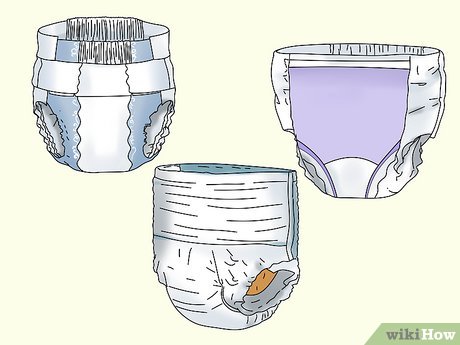
If your child’s pull-up leaks in different places depending on how they’ve slept, you’re not imagining it — and the product isn’t necessarily faulty. Sleep position affects where a bedwetting product leaks because it changes where urine pools, the direction gravity pulls fluid, and which seals are under pressure. Understanding this relationship is one of the most practical ways to prevent repeated wet beds.
## Why Sleep Position Determines Leak Location
Pull-ups and taped briefs are designed and tested upright. During testing, the absorbent core sits roughly vertically, leg cuffs hang freely, and waistbands aren’t pressed against a mattress. When a child lies down, all of that changes.
When horizontal, urine doesn’t travel downward through the product; it spreads laterally, following the lowest point of the child’s position. Sleeping on the back creates a different lowest point than sleeping on the front or side. This explains why products that work upright may fail when lying down — it’s a structural issue, not a quality problem.
As a result, the same pull-up, on the same child, with the same absorbency, can leak from different places depending on sleep position.
## The Four Main Sleep Positions — and Where Leaks Happen
### Sleeping on the Back (Supine)
This position is most likely to cause leaks at the back and sides. When a child lies supine, urine pools toward the lowest point — the rear and the small of the back. If the core doesn’t extend far enough toward the back panel, fluid reaches the edges before being absorbed.
Back-sleeping also presses the waistband flat against the mattress, compressing the rear of the product and reducing space for fluid absorption. Leg cuffs on each side are also under lateral pressure, which can flatten the cuffs meant to catch overflow.
Girls sleeping on their back are particularly affected because female anatomy directs urine toward the rear. This compounds the pooling issue. More details are available in [why girls leak at the seat and back](https://www.sleepsecurenights.com/why-girls-leak-at-the-seat-and-back-how-female-anatomy-affects-overnight-product-performance/).
### Sleeping on the Front (Prone)
Prone sleeping shifts the pooling direction forward and downward — toward the front panel and waistband. For boys, this is especially problematic because the penis is directed downward into the mattress, causing urine to travel toward the front waist area almost immediately.
The front waistband, like the rear in supine sleeping, is pressed into the mattress and can compromise the seal. Leaks often appear at the front of pyjamas and on the bed sheet beneath the child’s stomach. [Why boys leak at the front](https://www.sleepsecurenights.com/why-boys-leak-at-the-front-anatomy-sleep-position-and-the-pull-up-design-flaw/) explains this in detail — it’s a combination of anatomy and position that creates near-perfect leak conditions.
### Sleeping on One Side
Side-sleeping concentrates pressure on one leg cuff. The lower leg (the side the child is lying on) has its cuff flattened by body weight and the mattress. The inner barrier cuff, which normally stands away from the skin to catch fluid, is compressed. Urine pooling toward the lower side reaches the cuff and can pass through or around it.
Leg leaks are the most commonly reported overnight issue, and side-sleeping is a major cause. The [compression problem with pull-up leg cuffs](https://www.sleepsecurenights.com/what-happens-to-pull-up-leg-cuffs-when-a-child-lies-down-the-compression-problem-explained/) explains what happens mechanically — adjusting cuffs while standing won’t fix leaks once the child is lying down.
Children who switch sides during the night may produce leaks on alternating sides or multiple places, making the pattern seem random.
### Mixed or Changing Positions
Many children shift positions multiple times during the night. If wetting occurs after a position change, the leak location reflects where they were lying when they wet, not when they fell asleep. This explains why wet patches on sheets sometimes don’t match the wet area of the product.
## How to Work Out Your Child’s Pattern
You don’t need to watch your child all night. A few observations over a week or two usually provide enough information:
– **Check how they’re lying when you find a wet bed.** If they are consistently in one position, that’s likely where they were when wet.
– **Look at where the sheet is wet.** A wet patch directly under the stomach suggests prone sleeping. Wet patches at the hips or sides suggest side-sleeping. Wet at the lower back indicates supine.
– **Check the product itself.** Where is it wet and dry? A soaked front with an untouched back indicates front sleeping or front anatomy. A soaked back with a dry front suggests back sleeping or rear pooling.
– **Note where the leak exited.** Front of pyjamas? Leg? Waistband? Each point indicates a seal failure at that location.
A detailed guide on leak patterns is available in [front leaks vs back leaks vs leg leaks](https://www.sleepsecurenights.com/front-leaks-vs-back-leaks-vs-leg-leaks-a-guide-to-what-each-pattern-means/).
## What to Do Once You Know the Pattern
### For Back-Sleepers Leaking at the Rear
Look for products with extended rear absorbency. Taped briefs (such as [Tena](https://www.sleepsecurenights.com/tena-washable-bed-sheet-review-and-comparison/) or [Molicare](https://www.sleepsecurenights.com/molicare-pad-mini-booster-review/)) often have better rear coverage than pull-ups because the back panel is broader and flatter. A booster pad placed toward the rear can help direct fluid into absorbent material before it reaches the edges. Ensure the rear waistband sits snugly against the lower back — gaps here allow fluid to travel straight onto bedding.
### For Front-Sleepers or Boys Leaking at the Front
Consider products with a longer front panel or with a booster pad at the front. For boys, ensuring the penis is directed downward into the product (not sideways) can make a difference. Some parents find that close-fitting underwear worn over the pull-up helps maintain the correct internal position overnight.
### For Side-Sleepers Leaking at the Leg
This pattern is hardest to fix with product adjustments alone, because the core issue is cuff compression under body weight. Strategies include:
– Moving to a higher-capacity product with more absorbent material.
– Using a taped brief rather than a pull-up, which often has a more structured leg seal.
– Adding a booster pad toward the side that leaks.
– Using close-fitting shorts or pants over the product to hold cuffs in place.
Additional strategies are discussed in [how to stop leg leaks in overnight pull-ups](https://www.sleepsecurenights.com/how-to-stop-leg-leaks-in-overnight-pull-ups/).
### Protecting the Bed Regardless
Regardless of the leak pattern, a waterproof mattress protector and a washable bed pad on top of the sheet reduce laundry and protect the mattress. When leaks happen despite the best product fit, this layer makes overnight changes easier. Having two sets of bedding — one on, one ready — speeds up 3am bed changes.
## A Note on Products and Fit
Sleep position affects where a bedwetting product leaks but doesn’t change its overall capacity. Heavy wetter children sleeping in positions that concentrate output at one point may require higher absorbency, not just repositioning or adjustment.
If multiple products haven’t worked, consider why parents keep switching bedwetting products — often the issue is structural, not brand-specific. [Why parents keep switching bedwetting products](https://www.sleepsecurenights.com/why-parents-keep-switching-bedwetting-products-the-leak-problem-that-nothing-has-solved/) explains this.
## The Bottom Line
Sleep position influences leak location due to gravity, anatomy, and cuff compression. Identifying your child’s sleep position and leak pattern helps you respond effectively — whether by choosing a different product, adjusting fit, adding booster pads, or changing how the product is applied. You’re no longer guessing; you’re addressing a mechanical issue with informed action.